Managing Forest Fires

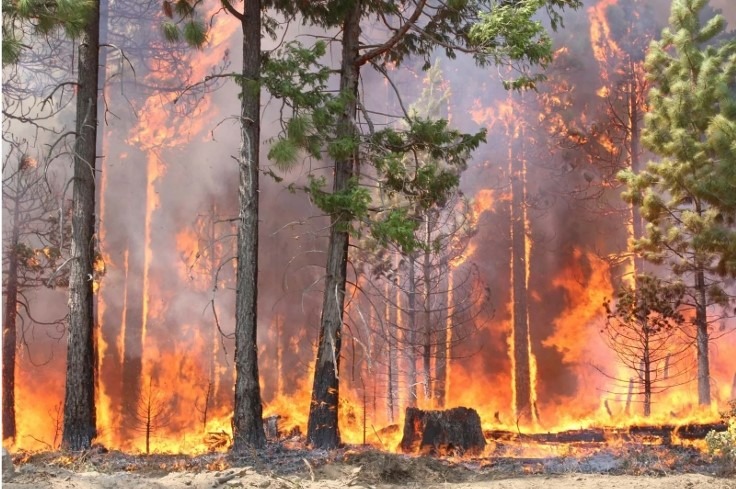
Climate change has transformed the nature of forest fires across most of our states such as California, Colorado NM, and Montana and also in Europe such countries like. France, Greece, Portugal and Spain, France all these countries experienced predictable, seasonal fires are now facing extreme, fast moving, and highly destructive wildfire events capable of overwhelming national emergency systems. These fires threaten lives, destroy homes, disrupt economies, and devastate ecosystems that are essential to environmental stability and long term resilience. As temperatures rise and drought conditions intensify, the frequency and severity of these fires continue to escalate, placing unprecedented pressure on governments, communities, and frontline responders.

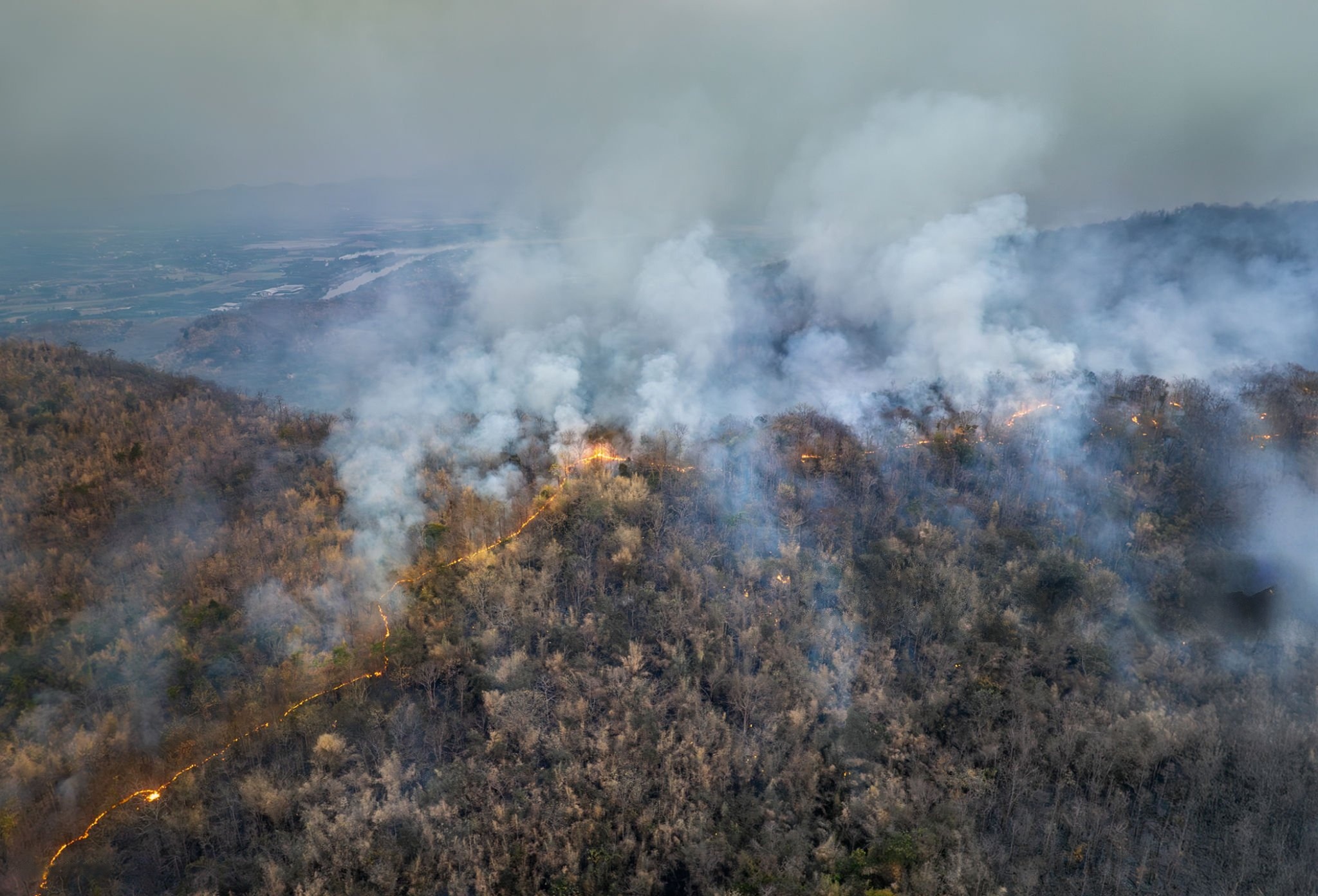
This proposal introduces a next generation wildfire mitigation and suppression system designed to reduce the spread, intensity, and impact of forest fires through advanced engineering and innovative technology. The project focuses on developing thermodynamics based fire control tools that can intervene earlier, operate more safely, and significantly reduce the need for firefighters to engage directly with dangerous fire fronts. By integrating engineered cooling systems, fire front disruption technologies, and modern deployment strategies, the project aims to shift wildfire response from reactive firefighting to initiative-taking fire management. The core objective is to provide countries with a scalable, effective, and scientifically grounded solution that protects people, preserves forests, and reduces the operational risks faced by firefighters. This system is designed not only to suppress active fires but also to prevent small ignition events from escalating into catastrophic wildfires. Through innovation, engineering, and strategic deployment, this project seeks to strengthen national resilience, safeguard communities, and support a safer future in an era of accelerating climate driven fire risk.